

The United Nations Development Programme (UNDP) Nigeria has officially kicked off the highly anticipated HerAfCFTA Regional Conference in Abuja.
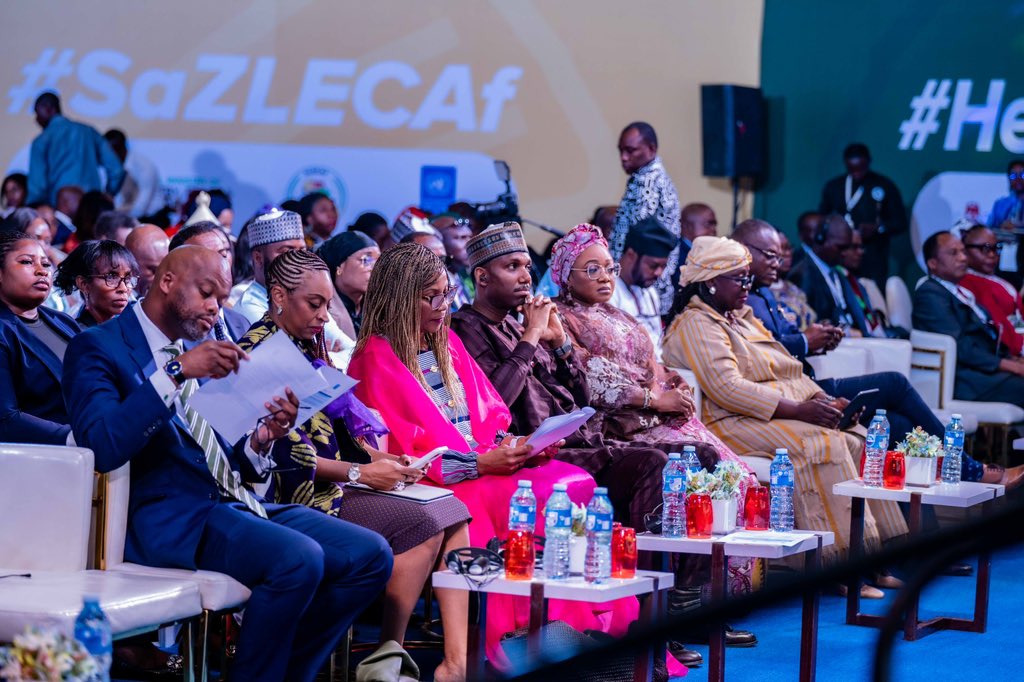
The landmark event brings together continental leaders, policymakers, investors, and women entrepreneurs to dismantle trade barriers and aggressively accelerate women’s leadership within the African Continental Free Trade Area (AfCFTA).
Speaking on the massive economic stakes of the conference, H.E. Wamkele Mene, Secretary-General of the AfCFTA, emphasized the pivotal role women play in hitting upcoming continental milestones.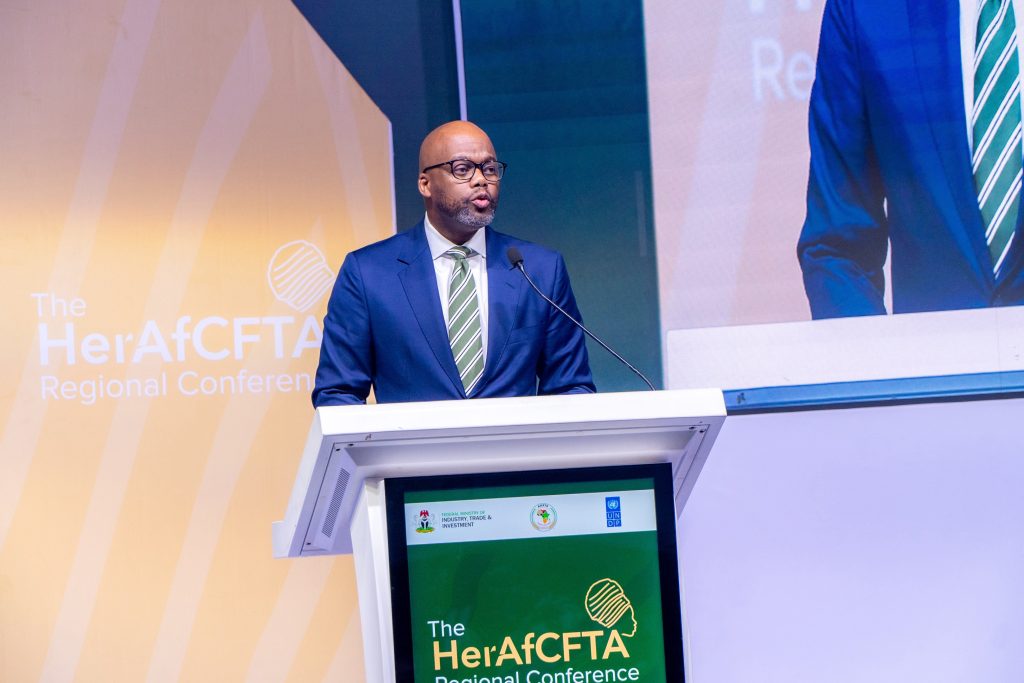
“When we are able to eliminate the barriers that young people and women-owned businesses confront, we as Africans stand a good chance of meeting the World Bank’s projection that, by the year 2035, we can contribute up to $450 billion to Africa’s combined GDP,” Mene stated. He further noted, “The most immediate beneficiaries of that projection are women-owned businesses, and so we are determined to make this projection a reality.”
Shifting from Cross-Border Trade to Cross-Border Investment
A major theme of the Abuja dialogue is the evolving landscape of female entrepreneurship, which is rapidly transitioning from micro-retailing to high-level regional investment. Nigerian women, in particular, are being positioned as critical drivers of this industrial shift.
Dr. Jumoke Oduwole, Nigeria’s Honorable Minister of Industry, Trade and Investment, highlighted this structural evolution during her ministerial address.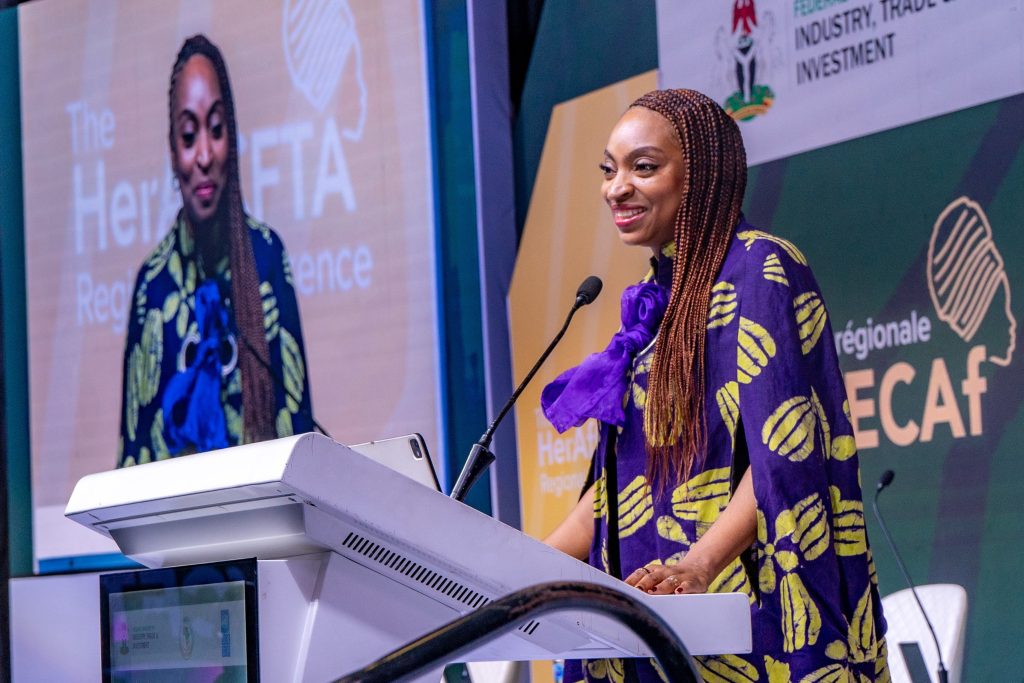
“Women’s participation in the AfCFTA is moving beyond cross-border trade to cross-border investment,” Oduwole remarked. “Nigerian women entrepreneurs are investing in trade infrastructure, expanding into new markets, and mobilizing capital to grow their businesses across Africa. This is how regional integration becomes enterprise growth, investment, and shared prosperity.”
The Paradox of Intra-African Trade
Despite the immense, multi-billion-dollar opportunities presented by the AfCFTA, current data reveals a stark gap in continental commerce. Elsie Attafuah, UNDP Resident Representative, pointed out that only 15–18% of Africa’s merchandise trade currently takes place within the continent. However, the internal economy survives largely due to women.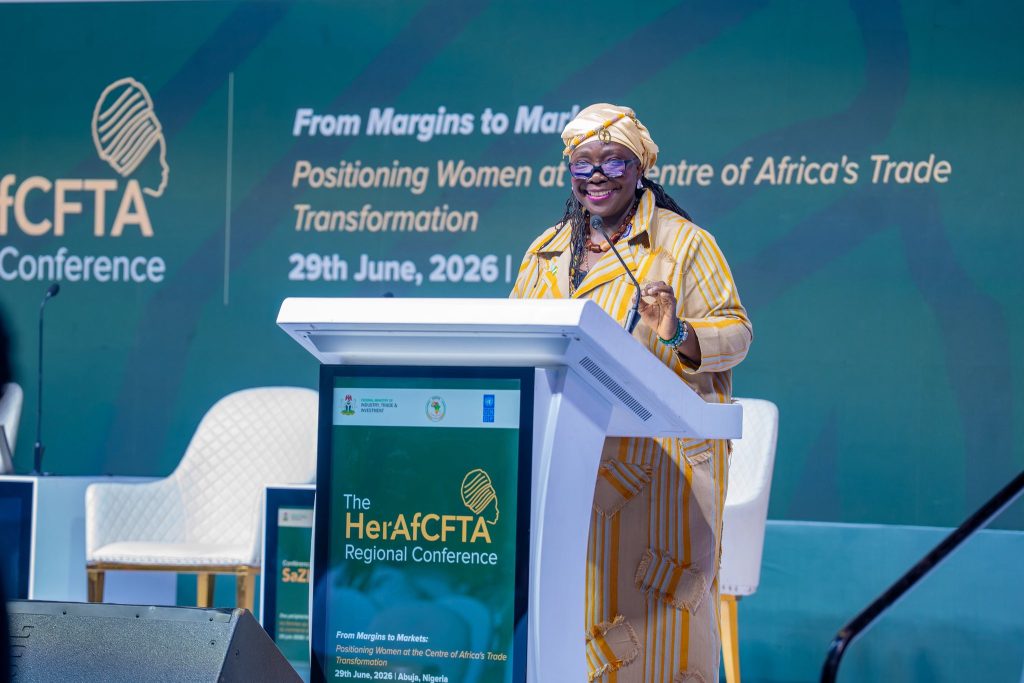
“Remarkably, women drive nearly 70% of this intra-African trade,” Attafuah revealed, underscoring why the inaugural HerAfCFTA conference is prioritizing practical pathways to strengthen women’s leadership and unlock the full potential of the single market.
A Call to Action: Turning Policy Commitments into Practice
The central message throughout the panel sessions remained focused on immediate implementation. Moderating a high-level panel on “Accelerating Women-Led Trade and Investment,” Ahunna Eziakonwa, UNDP Assistant Administrator and Regional Director for Africa, insisted that the future of African development cannot afford bureaucratic delays.
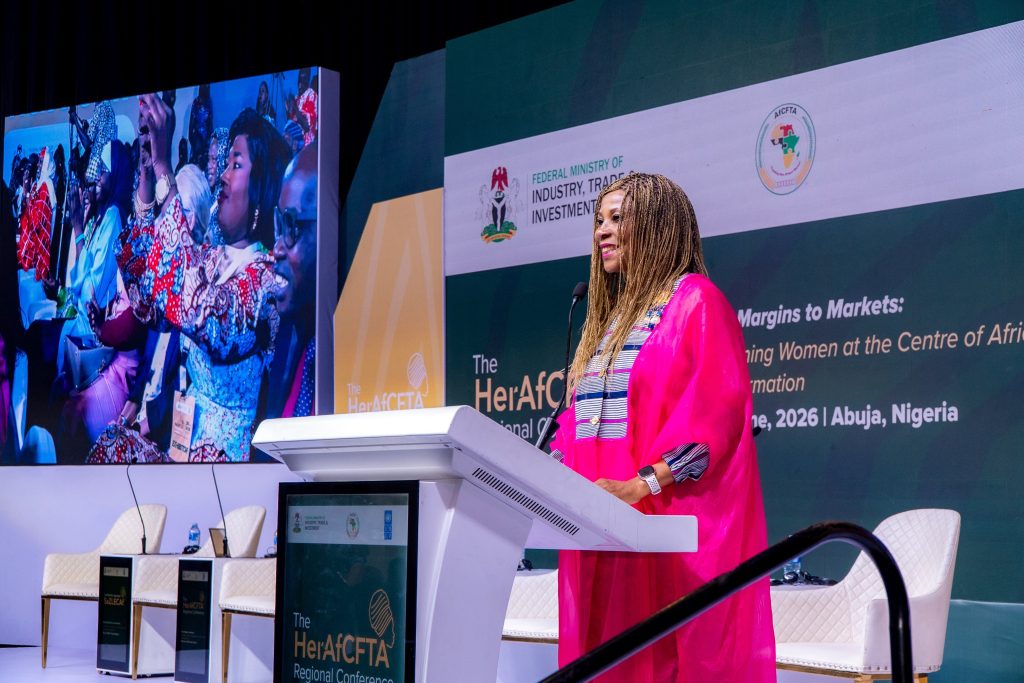 “We must dismantle the barriers that divide our economies, harmonise our regulations, and build digital payment systems that connect Africa,” Eziakonwa urged. “We must accelerate the movement of goods, services, and people, because the future will not wait.”
Reflecting on her direct interactions with female business owners on the sidelines of the exhibition, Eziakonwa concluded that African women are no longer waiting on promises. “What I hear from women-led MSMEs across Africa is consistent: They are ready to trade, produce, and scale. What they need is markets, buyers, and borders that work. HerAfCFTA is turning the promise of the AfCFTA into real opportunities for women.”
Share this