In a bid to curb the incessant rate of deaths in children caused by Pneumonia, GSK plc, formerly GlaxoSmithKline plc, in partnership with Save the Children International (Nigeria) on Monday, November 14 donated medical equipments to some Primary Health Centres (PHCs) in Ikorodu, Lagos State.
The donation was held to commemorate this year’s World Pneumonia Day marked every 12th of November.
Some of the equipment include: speed manometers, stethoscopes, adult weighing scales, washing machines, disinfectants among others.
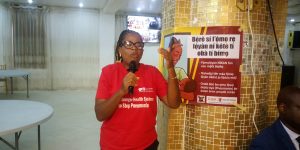
The significance of this event according to Mrs Folake Kuti, Project Manager, Integrated Sustainable Childhood Pneumonia and Infectious Diseases Reduction in Nigeria (INSPIRING), is to help strengthen the services rendered by the health care workers in Ikorodu to members of the community and support the state government in ensuring that there is more awareness on childhood Pneumonia.
Also, the event availed SCI Nigeria to educate participants from different wards in Ikorodu the various signs and symptoms of Childhood Pneumonia, its preventive measures and how parents with their children should respond in seeking medical attention when the need arises.
Mrs Kuti noted that SCI Nigeria has helped in various capacities including training of health workers and engaging with members of the various communities in Ikorodu to familiarise with Childhood Pneumonia.
She said, “There are so many things we can do to stop Pneumonia which we have tried as much as possible to work with the health workers and state government, to work with those in the communities, making sure that we reduce childhood Pneumonia in Nigeria.”
“Apart from celebrating the world Pneumonia day we are also donating hospitality equipments to five flagship health facilities in Ikorodu and we’re supporting with infection and control materials that will be distributed in all the thirty primary health centres in Ikorodu.
We have strengthened the capacity of health care workers, supported with all the equipment and materials they need to put those trainings into use, working with the community to be aware of all the signs and symptoms of Pneumonia, how to prevent it, how to respond to the sickness and prevent children from dying from Pneumonia.
She, however called on the government to commit more funds towards the provision of health facilities to prevent unnecessary loss of lives especially women and children in the state.
“Most importantly, we have called on the state government informing them about the slackness of the Local Government Areas (LGAs) in supporting PHCs. For this project to be sustainable government should continue to spend more money in ensuring that IPC materials are available regularly in the health facilities ensuring that support needed in the facilities are provided,” she added.
Meanwhile, according to data, about 740,180 children under 5 years died in 2019 of Pneumonia in Nigeria representing 14% percent of deaths among children in the country.
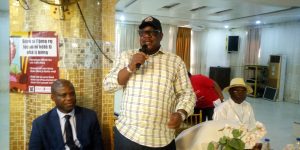
The task in preventing such from occurring also lies within members of the community as emphasized by Mr Zulu Kazeem, Local Government Heath Authority Chairman, Ikorodu.
The awareness according to the health officer in an interview with MAP NEWS trickles down from the local government to the ward level which is the grassroots.
“The ward health committee is being put together by the local government. The essence of putting them together is to carry such Advocacy down to the people, the community itself – the grassroots and sensitise them,” Mr Zulu explained.
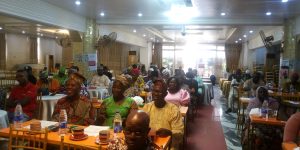
“They have to go into the wards and sensitise the people about Pneumonia – a killer disease. They sensitise the people to inform them about the potency of the disease, if they such signs they should report to the hospital, if the health facility is bigger than their reach they refer them to the general hospital.
Asked how the local government tracks participants in ensuring they go to their various communities to sensitise the people.
He said, “These participants hold their meetings on a monthly basis and I’ve been invited I see the crowd and I ask questions, what are these people sensitising you about how did you take the.”
Share this