

The Federal Government has called for more research and stronger regulation of traditional medicine, saying cultural acceptance of indigenous treatments is not enough to establish their safety or effectiveness.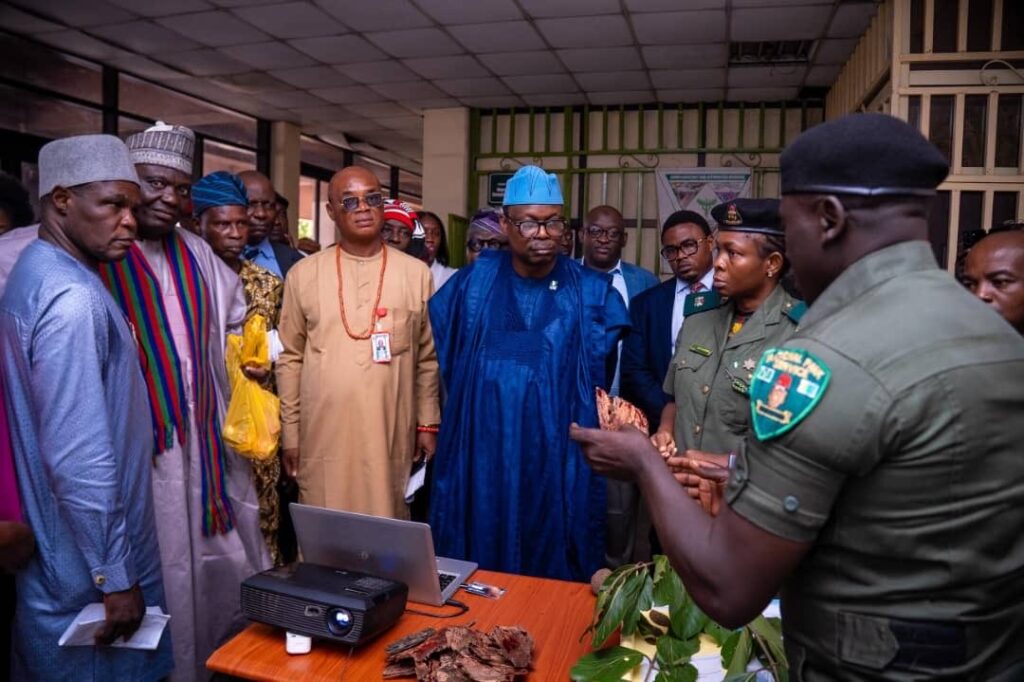
The Minister of State for Health and Social Welfare, Dr. Iziaq Adekunle Salako, made the call in Abuja at the commemoration of the 2026 African Traditional Medicine Day.
The event was held under the theme, “Research and Development in Traditional Medicine towards Achieving Universal Health Coverage in the African Region.”
Salako said Nigeria must place greater emphasis on research, proper documentation and quality control if traditional medicine is to play a bigger role in the country’s healthcare system.
“The future of traditional medicine must be built on rigorous research, effective regulation, quality assurance, ethical practice, documentation and continuous evaluation,” he said.
The minister said the government was working to create a system where traditional medicine could be developed and used alongside conventional healthcare, provided the products and practices involved meet the required standards.
Government sets priorities for traditional medicine
According to Salako, the Nigerian Traditional Medicine Policy provides the framework for developing the sector and integrating it into the wider healthcare system.
He said the Ministry’s Department of Traditional, Complementary and Alternative Medicine, the 2025 Strategic Plan of Action and the Code of Ethics and Practice for Traditional Medicine Practitioners were part of efforts to give the sector clearer direction.
He added that the work also fits into the Nigeria Health Sector Renewal Investment Initiative (NHSRII), particularly its focus on local production and improving access to quality healthcare.
The minister listed research, regulation, quality assurance, documentation of indigenous knowledge, local production and innovation among the areas that require more attention.
He urged traditional medicine practitioners to take research and ethical practice seriously, while encouraging researchers to subject indigenous treatments to proper scientific investigation.
Regulators, he said, must also ensure that standards are followed, while investors should look at opportunities in traditional medicine products that have been properly validated.
‘Traditional and modern medicine can work together’
Salako said traditional and modern medicine should not necessarily be treated as rival systems.
“Traditional medicine and modern medicine should not be viewed simply as competing systems. Evidence demonstrates that they can work together safely and effectively,” he said.
He described the two as complementary parts of a healthcare system that should ultimately serve the needs of patients.
Expert warns against delaying medical care
Speaking at the event, the Senior Special Assistant to the President on Women’s Health, Dr. Adanna Steinacker, said Nigeria’s indigenous medical knowledge should be properly documented, protected and researched.
She said scientific studies were needed to determine the safety, effectiveness and appropriate dosage of traditional medicines.
Steinacker also warned that the use of traditional medicine should not prevent people from seeking necessary medical care.
She specifically cautioned against practices that could delay antenatal care, skilled delivery, emergency treatment or timely referral.
She said the President Bola Ahmed Tinubu administration remained committed to achieving Universal Health Coverage that takes into account the needs and cultural realities of Nigerians.
WHO calls for documentation of indigenous knowledge
The World Health Organisation representative, Dr. Hamza Omotayo, commended Nigeria for its efforts to strengthen traditional medicine through the Department of Traditional, Complementary and Alternative Medicine and the Nigerian Pharmacopoeia.
Omotayo disclosed that the WHO had trained 40 traditional medicine practitioners on the harvesting and preparation of standardised medicines.
He called for faster documentation of indigenous knowledge and stressed the need for communities that preserve such knowledge to benefit fairly from its use and development.
The Federal Government said it would continue to support the development of traditional medicine while ensuring that products available to the public meet acceptable standards of safety, quality and effectiveness.
The government also urged stakeholders to move from discussions to practical action by investing in research, strengthening institutions and improving regulation of the sector.
Share this


