

The Federal Government has launched the National 1,000 Days of Life Social and Behaviour Change Campaign to improve maternal and child nutrition through better breastfeeding practices and healthier feeding habits.
The campaign was unveiled on Monday in Abuja as part of activities marking the 2026 World Breastfeeding Week, themed “Breastfeeding for Sustainable Start in Life: Strengthen What Works.”
The initiative focuses on the period from conception to a child’s second birthday, which experts consider important for healthy growth, development, and prevention of malnutrition.
The Federal Government said the campaign would promote early initiation of breastfeeding, exclusive breastfeeding, appropriate complementary feeding, and continued breastfeeding up to two years and beyond.
It added that the programme would involve families, communities, healthcare workers, and other stakeholders in improving nutrition outcomes for mothers and children across the country.
FG Targets Better Breastfeeding Practices
Speaking at the launch, the Permanent Secretary of the Federal Ministry of Health and Social Welfare, Daju Kachollom S. mni, said breastfeeding remains one of the most effective interventions for child survival and development.
Daju said protecting the first 1,000 days of a child’s life is important to securing a healthier future for Nigeria, adding that breastfeeding provides essential nutrients needed during early childhood.

“Every child deserves the healthiest possible start to life. Protecting the first 1,000 days is one of the smartest investments we can make for Nigeria’s future, and breastfeeding remains one of the most powerful tools to achieve that,” she said.
She said the government would continue to strengthen policies and programmes that support mothers, improve access to nutrition services, and encourage breastfeeding-friendly environments.
The Permanent Secretary identified delayed breastfeeding initiation, cultural beliefs, inadequate counselling, limited workplace support, and the promotion of breastmilk substitutes as some factors affecting breastfeeding practices.
Survey Shows Gaps in Exclusive Breastfeeding
Figures from the 2023/2024 Nigeria Demographic and Health Survey (NDHS) showed that although about 95 per cent of Nigerian mothers breastfeed, recommended breastfeeding practices remain low.
The survey revealed that only 36 per cent of mothers begin breastfeeding within the first hour of birth, while 29 per cent exclusively breastfeed their children for the first six months.
It also showed that only 23 per cent of mothers continue breastfeeding up to two years, a situation the government said requires stronger support for mothers and families.
The Federal Ministry of Health and Social Welfare said it would strengthen the National Maternal, Infant and Young Child Nutrition Strategy, expand Baby-Friendly Hospital and Community Initiatives, and improve the capacity of healthcare workers.
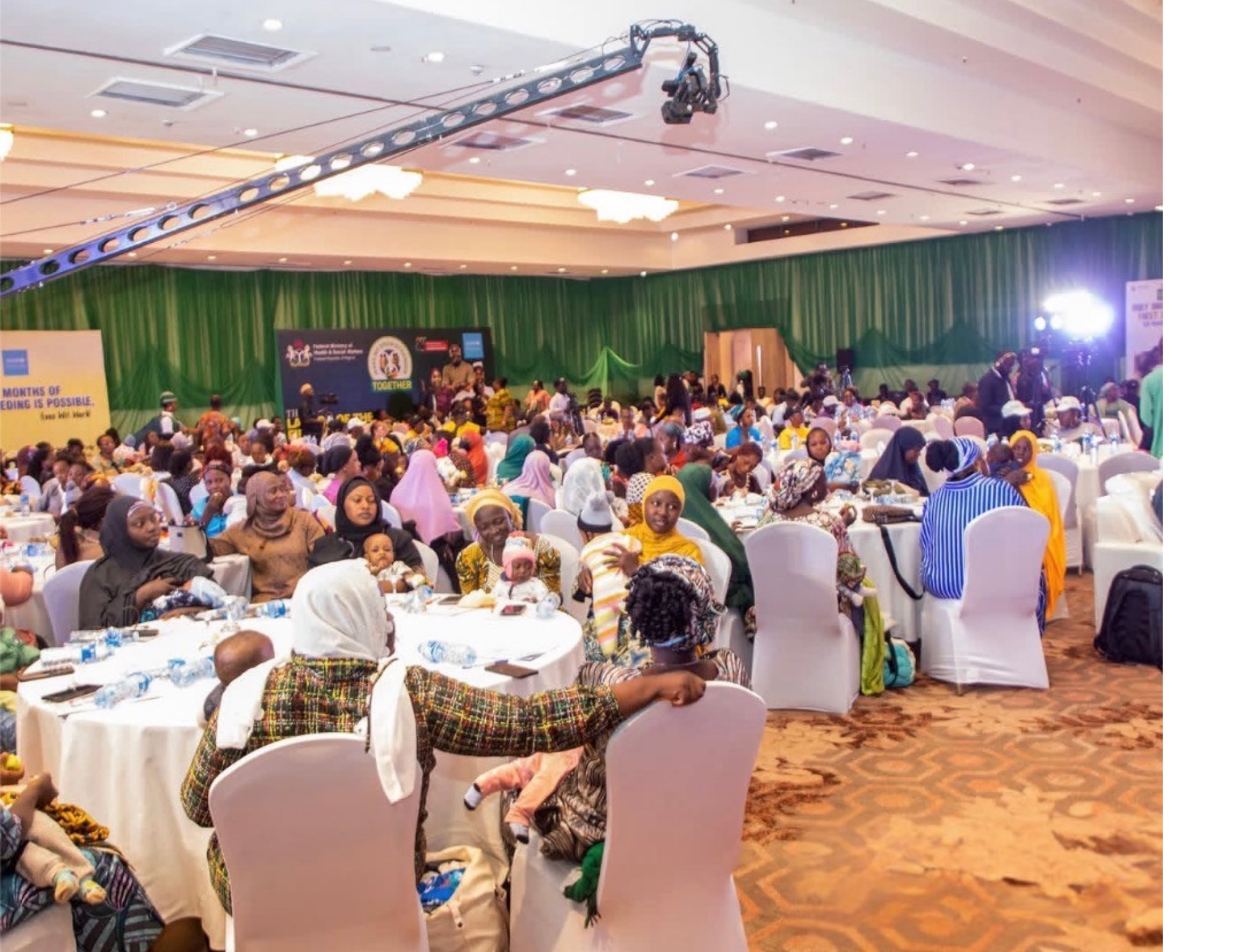
The ministry also said it would promote breastfeeding-friendly workplaces and encourage more mothers to access maternal and child health services through Primary Health Care Centres.
UNICEF, Others Support Initiative
The Director of Nutrition, Olufunmilola Adegbite, described the campaign as an investment in Nigeria’s human capital and called for greater collaboration among stakeholders. Development partners, including UNICEF, pledged continued support through technical assistance, advocacy, and community-based interventions to improve maternal and child nutrition.
A representative delivering a goodwill message on behalf of Vice President Kashim Shettima urged stakeholders to ensure the campaign reaches communities across the 774 Local Government Areas in Nigeria.
She called for stronger cooperation among government agencies, health workers, employers, communities, and families to improve breastfeeding support systems.
The Federal Ministry of Health and Social Welfare reaffirmed its commitment to working with partners and communities to improve nutrition outcomes and ensure Nigerian children receive a healthy start during the first 1,000 days of life.
Share this


