
By Michael Omotosho |
As Osun State prepares for its governorship election on August 15, another battle is already taking place not at campaign grounds or polling units, but across social media platforms.
Every day, voters are exposed to political messages, viral videos, edited images and rumours shared on WhatsApp, Facebook, X and TikTok. While some of the information is accurate, much of it is misleading or completely false.
The rise of artificial intelligence (AI) has made the challenge even greater. Today, deepfakes, cloned voices, manipulated images and recycled videos can be created within minutes and shared widely, making it difficult for many people to separate fact from fiction. Experts warn that such content can mislead voters, fuel political tension and weaken public confidence in elections.
Responding to a Growing Threat
To help protect the integrity of the election, FactCheck Africa has launched the TruthGuard Election Integrity and Misinformation Situation Room, a platform that will monitor and verify election-related information before, during and after the August 15, 2026, Osun State governorship election.
The initiative will bring together fact-checkers, journalists, digital investigators, researchers, data analysts and gender experts to identify false narratives, verify suspicious claims and provide accurate, evidence-based information to the public in real time.
Speaking on the initiative, Founder of FactCheck Africa, Olasupo Abideen, said protecting elections today goes beyond securing ballot boxes it also means protecting the information people rely on to make informed decisions.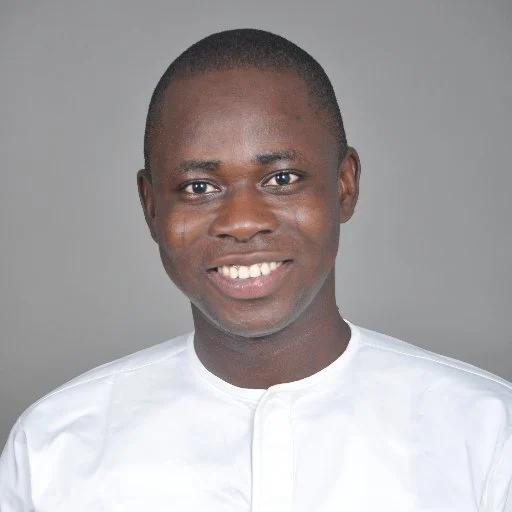
“This initiative is designed to protect the integrity of the electoral information space through real-time monitoring, independent fact-checking and rapid response to false claims, hate speech, malinformation and technology-facilitated gender-based violence before, during and after the election,” he said.
Abideen noted that elections are no longer contested only at polling units but also online, where false narratives and manipulated content can spread rapidly and influence public opinion.
“The integrity of an election is inseparable from the integrity of the information that shapes public opinion. Elections are now contested not only at polling units but also across digital platforms where false narratives, manipulated content and AI-generated media can spread rapidly and erode public trust,” he added.
Why Osun Needs TruthGuard
The launch of the TruthGuard Situation Room comes amid growing concerns over the security situation ahead of the election.
According to Abideen, the National Peace Committee, through The Kukah Centre’s Election Security Information Hub, has identified 15 local government areas in Osun as critical, high-risk and moderate-risk areas for possible election-related violence.
He said incidents of political violence, institutional tensions, electoral offences and information disorder, as well as attacks on political gatherings, shootings in parts of the state and assaults on election officials during the distribution of Permanent Voter Cards (PVCs), have heightened concerns about the election environment.
FactCheck Africa believes that in such situations, false information can spread quickly, increase fear and influence public perception if left unchecked.
More Than Fact-Checking
Beyond verifying false claims, the TruthGuard Situation Room will monitor and counter misinformation, disinformation, deepfakes, manipulated images, cloned audio, recycled videos, hate speech and technology-facilitated gender-based violence (TFGBV).
The organisation says it is also committed to protecting women, journalists, election officials and other democratic actors from coordinated online abuse and misinformation campaigns.
“We are equally committed to protecting women, journalists, election officials and other democratic actors from technology-facilitated abuse and coordinated online attacks. An informed electorate remains the strongest defence against misinformation, violence and electoral manipulation,” Abideen said.
Everyone Has a Role to Play
While organisations like FactCheck Africa can verify claims, protecting the integrity of an election is a shared responsibility.
Before forwarding election-related messages, videos or images, citizens are encouraged to take a moment to verify the information. That simple action is at the heart of the #CheckBeforeYouPost campaign, which reminds Nigerians that one unverified post can spread quickly and mislead thousands of people.
FactCheck Africa has also called on journalists, election observers, political parties, civil society organisations and members of the public to report suspicious election-related claims, manipulated content, deepfakes and AI-generated media through the TruthGuard reporting channels for independent verification.
Anyone who comes across questionable election content can report it through the TruthGuard FactCheck Hotline: 08128575778.
The initiative is powered by the BallotEyes Working Group, which is working to strengthen election integrity and promote credible democratic processes through independent fact-checking and media literacy.
Protecting Democracy Starts with Protecting the Truth
As Osun prepares to elect its next governor, protecting democracy will involve more than ensuring votes are counted correctly. It will also depend on ensuring that voters make decisions based on verified facts rather than falsehoods shared online.
Through the TruthGuard Election Integrity and Misinformation Situation Room, FactCheck Africa hopes to reduce the spread of election misinformation and help citizens access accurate and timely information throughout the electoral process.
For voters, the message is simple: pause, verify and #CheckBeforeYouPost. In an election season, that small action can help curb misinformation, strengthen public trust and support a peaceful, credible and transparent election.
To report suspicious election-related claims, manipulated images, deepfakes or AI-generated content, contact the TruthGuard FactCheck Hotline: 08128575778.
Share this


