

By Zainab Adetola |
The refusal of many caregivers and patients to ensure follow-up care for cleft treatment continues to hinder the ability of affected individuals to live a quality life.
Consultant and cleft surgeon at the Lagos University Teaching Hospital, LUTH, Professor Olugbenga Ogunlewe made this know while speaking with MAP News correspondent on Monday, at a media workshop organised by Smile Train. Smile Train is the world’s largest cleft-focused organization.
 According to a trusted medical website, WebMd, “Cleft lip and cleft palate are facial and oral malformations that occur very early in pregnancy, while the baby is developing inside the mother. Clefting results when there is not enough tissue in the mouth or lip area and the tissue that is available does not join together properly. A cleft lip is a physical split or separation of the two sides of the upper lip and appears as a narrow opening or gap in the skin of the upper lip.”
Every three minutes, a child with a cleft is born and 540 babies are born each day with a cleft. Smile Train operates in over 90 countries and has performed over 1.5 million cleft surgeries since 1999. But many patients who require continued care abandon the treatment process, thinking the initial surgery carried out is enough to correct the malformation
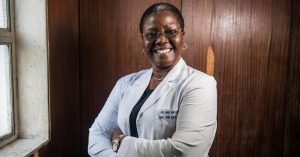 Professor Ogunlewe says this is a serious challenge. “Patients take cleft treatment for granted because it is free. We have to beg them to be coming after lip repair. Once you repair the lip, they think that is all because it is the obvious defect. They refuse to come back for palate, you have to beg them to come,” she said.
“This is as a result of ignorance and I am sure if they were paying for it, they would show up to complete the treatment. The caregivers always have several excuses about why they can’t do follow-up treatment You hear them say the treatment process is too long and this is why they need education,” added Professor Ogunlewe.
The medical expert also spoke on the need for a dedicated cleft treatment centre at the Lagos University Teaching Hospital.
She said “When we just started in 2007, we might have only 30 patients in a year but now we have as much as 100 and operate on around 60-70 in one year. And the management of the cleft is teamwork. Ideally, the team should be in one place including the surgeon, pediatrician, orthodontist, clinical psychologist, and others.
“The arrangement we have right now is that these health professionals have other engagements and areas of specialty they are dealing with. Cleft care is a sub-specialty of maxillofacial and pediatric surgery. This affects the dedicated time health workers can give the cleft patient.
“It is only in LUTH that we have a dedicated clinic day and theater session for cleft patients. If we are able to coordinate and work as a team in one place, we would be able to do even more and won’t have to run after doctors from one department to another. A cleft centre would ultimately lead to better outcomes for cleft patients.”
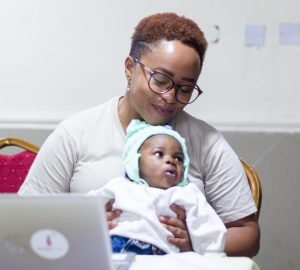
Professor Ogunlewe lauded the increased awareness that has been recorded since free cleft treatment commenced for Nigerian patients. “Before 2007, we were operating on cleft patient but we were not many and our knowledge at that time was a bit limited. We focused on just repair but in the past 12 years, our expertise and skills have increased. I have trained so many people across several states in the country. I would say there has been increased awareness about cleft treatment amongst health workers,” she noted.
Share this


