

By Michael Omotosho |
Agricultural experts have called for greater investment in Nigeria’s underutilized legumes, describing them as a critical pathway to improving food security, nutrition, climate resilience and economic development. The call was made during the Agversation discussion hosted by Farmer Square on 22 July 2026, themed “Beyond Cowpea and Soybean: Unlocking the Potential of Underutilized Legumes.” The session featured Dr. Taofeek Tope Adegboyega, President of the Society for Underutilized Legumes (SUL), who urged policymakers, researchers and private investors to shift attention towards neglected indigenous legumes with enormous untapped potential.
Agversation, an initiative of Farmer Square Africa founded by Timilehin Osunde, is a knowledge-sharing platform created to bridge the gap between agricultural research, policy, agribusiness, and farming systems through meaningful conversations.
Dr. Adegboyega said Nigeria’s continued dependence on a few staple crops exposes the country’s food systems to climate shocks, declining soil fertility and growing nutritional challenges, stressing that crop diversification has become an urgent national priority.
“Nigeria possesses one of Africa’s most diverse legume gene pools, drought-tolerant, nitrogen-fixing, nutritionally dense and culturally significant. Yet these crops remain largely absent from formal research agendas, national budgets, commercial seed systems and FMCG portfolios. The reasons are structural, not agronomic.”
Hidden Crops with Huge Economic and Nutritional Value
The publication identified Bambara groundnut, African yam bean, pigeon pea, Kersting’s groundnut and winged bean among Nigeria’s most promising underutilized legumes. Although cultivated in several communities, the crops receive limited research funding, weak policy support and little commercial investment despite their high nutritional value and income-generating potential.
According to Dr. Adegboyega, some crops contain 18 to 39 percent protein, with winged bean ranking among the world’s most protein-rich legumes. Others provide high levels of iron, zinc and calcium, making them valuable in tackling hidden hunger and child malnutrition. The crops can also be processed into bread, noodles and complementary foods, reducing dependence on imported raw materials.
Solution to Food Insecurity and Climate Challenges
He argued that underutilized legumes offer benefits extending beyond food production, noting their potential to strengthen public health, empower women farmers, generate employment and support Nigeria’s import substitution strategy.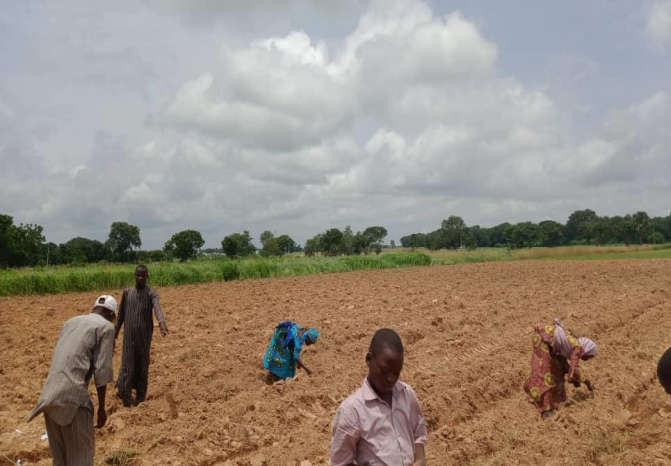
He explained that many of the crops are naturally drought-tolerant and capable of fixing nitrogen in the soil, improving soil fertility while reducing production costs for farmers. Their commercialization, he added, could open new export opportunities and increase rural incomes, particularly for women who traditionally cultivate many of the species.
The publication also linked wider adoption of these legumes to addressing Nigeria’s nutrition crisis, citing high levels of child stunting, acute malnutrition and anaemia among women of reproductive age.
Structural Barriers Continue to Limit Adoption
Despite their enormous potential, Dr. Adegboyega noted that several obstacles continue to prevent widespread cultivation and commercialization.
These include poor access to quality seeds, inadequate research funding, pests and diseases, limited processing facilities, weak market systems, poor infrastructure and policy bias that favours cereal crops over legumes.
He warned that the continued neglect of these crops has created a cycle where inadequate research limits improved varieties, discouraging commercial investment and further reducing funding opportunities.
Stakeholders Urged to Act
To unlock the full potential of underutilized legumes, the presentation called on the Federal Government, research institutions, universities, food manufacturers, donor agencies and farmer organisations to work collaboratively.
Recommendations include creating dedicated research funding, integrating legumes into national agricultural plans, supporting seed production systems, encouraging local food processors to develop legume-based products and establishing community seed enterprises led by women’s groups.
Dr. Adegboyega further encouraged stronger partnerships between researchers and industry players to translate scientific findings into commercially viable products capable of improving food systems while creating jobs across agricultural value chains.
He maintained that unlocking the potential of underutilized legumes represents not only an agricultural opportunity but also a strategic investment in Nigeria’s food security, public health, climate resilience and economic transformation.
With Agversation providing a space where researchers, farmers, development practitioners, policymakers, and young agripreneurs engage on practical solutions to challenges facing Africa’s food systems. The conversations and digital engagements, is reinforcing Farmer Square’s mission of making agricultural knowledge more accessible, inspiring innovation, and fostering collaboration that drives sustainable agricultural development across the continent.
Share this


