

The ECOWAS Commission has officially reinforced its commitment to citizen-centred regional development by signing a landmark Memorandum of Understanding (MoU) with the West Africa Civil Society Institute (WACSI).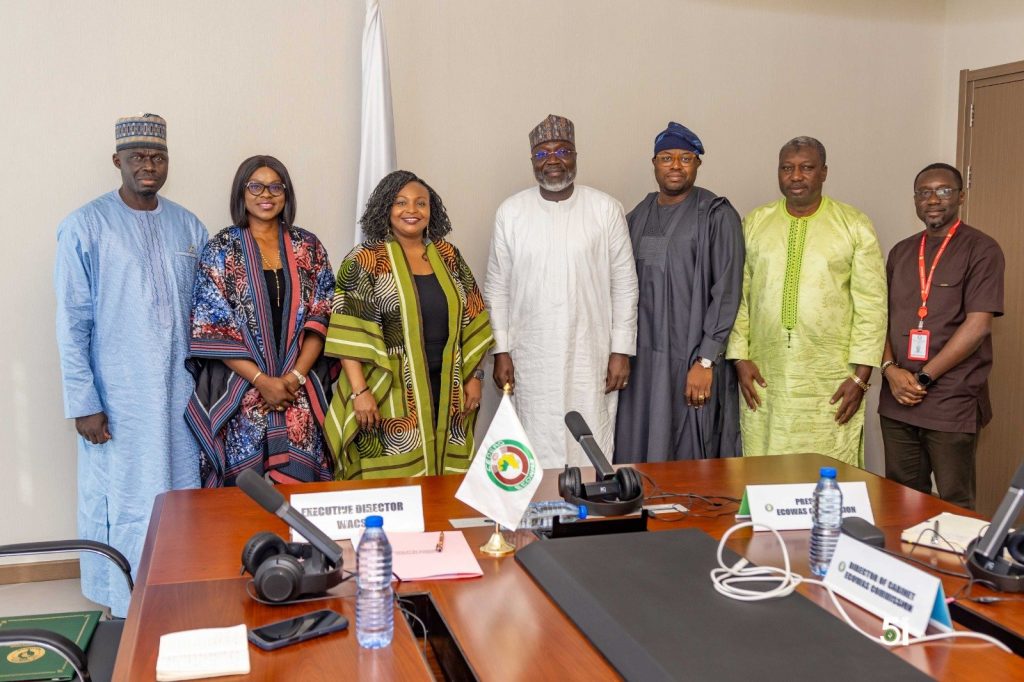
The strategic agreement was signed by the President of the ECOWAS Commission, Dr. Omar Alieu Touray, and the Executive Director of WACSI, Dr. Nana Asantewa Afadzinu, at the newly inaugurated ECOWAS Commission Headquarters in Abuja, Nigeria, on Friday, July 3, 2026.
A Strategic Framework for Peace and Prosperity
This newly formalized MoU represents far more than a routine administrative agreement between the two institutions. It establishes a robust, institutionalized framework designed to deepen constructive dialogue, strategic partnership, and collective action. By bridging the gap between governance and the public, the collaboration aims to accelerate the creation of a peaceful, democratic, and resilient West Africa.
The partnership directly underpins the operationalization of the ECOWAS Vision 2050, an ambitious roadmap aimed at transforming the bloc from an “ECOWAS of States” to an “ECOWAS of Peoples.” Through this lens, both organizations will collaborate closely on key regional priorities, ensuring that the voices of ordinary West African citizens are integrated into high-level policy formulation.
Driving Citizen-Centred Regional Integration
Speaking on the transformative potential of the agreement, the leadership emphasized that the pact bridges a critical gap between policy design and grassroots execution.
“This partnership underscores our unwavering commitment to placing citizens at the absolute heart of regional integration,” stated Dr. Omar Alieu Touray. “By institutionalizing our collaboration with WACSI, we are building a more inclusive, united, and prosperous West Africa where civil society actively shapes our collective future.”
With the framework now active, both ECOWAS and WACSI are expected to roll out joint initiatives focusing on democratic governance, civic space protection, and sustainable development across member states, signaling a new era of participatory regional governance.
Share this


