

The Centre for Democracy and Development (CDD-West Africa) has officially transitioned into a new era of regional intervention, launching a comprehensive Strategic Plan (2026–2031) aimed at countering democratic backsliding and a sophisticated digital propaganda ecosystem currently reshaping the Sahel.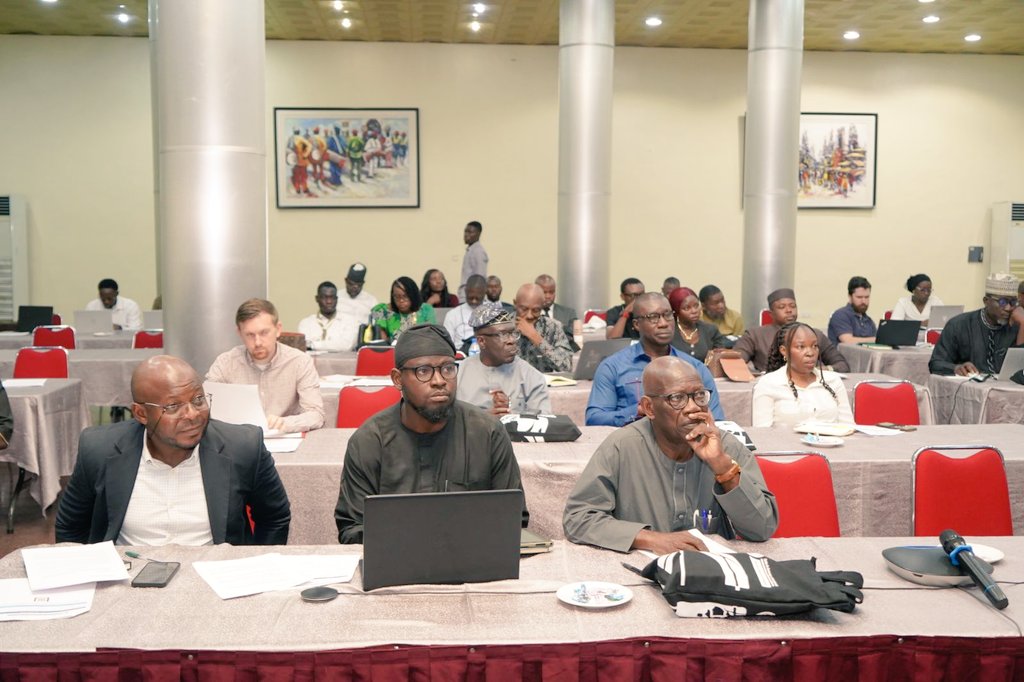
The unveiling took place during a high-level two-day engagement in Abuja on March 30 and 31, 2026. The event brought together a powerful assembly of policymakers, diplomats, and civil society actors to address the dual threats of institutional fragility and coordinated disinformation campaigns.
The Rise of Digital Propaganda in the Sahel
Opening the summit, CDD-West Africa, in partnership with the Observatoire Ivoirien des Droits de l’Homme (OIDH), released a landmark report titled “Security, Resource Governance, and Development Trajectories: A Comparative Assessment of Post-Coup Governance in the Sahel.”
The study, which monitored over 30,000 online publications between July and September 2025, exposed a coordinated effort by military-led governments in Mali, Niger, and Burkina Faso to dominate the digital narrative. Researchers found that these regimes are effectively using platforms like TikTok to frame themselves as champions of sovereignty, a message that has gained massive traction among younger demographics.
The report also highlighted a disturbing trend: the systematic discrediting of ECOWAS. Thousands of coordinated posts have successfully portrayed the regional bloc as a tool for external interests, particularly during periods of diplomatic intervention or sanctions.
“The scale and coordination of these campaigns suggest deliberate attempts to shape how citizens understand democracy and international partnerships,” researchers warned. “If unchecked, these trends will deepen political divisions and complicate regional cooperation.”
A Roadmap for Resilience: The 2026–2031 Strategic Plan
Building on these findings, the Director of CDD-West Africa, Dr. Dauda Garuba, introduced the organization’s new five-year roadmap. Dr. Garuba emphasized that the plan is designed to strengthen institutional resilience and expand the center’s reach across the West African sub-region.
“The launch of this plan aligns with our priorities and mandate to protect the democratic space,” Dr. Garuba stated, while paying tribute to the organization’s founding fathers whose legacies continue to drive the center’s vision.
The Strategic Plan 2026–2031 focuses on four primary pillars which are expanding regional reach across West Africa, deepening grassroots engagement to rebuild public trust, strengthening institutional capacity of democratic bodies, and ensuring financial sustainability for long-term impact.
Calls for Legislative and Regional Reform
The event featured strong endorsements from regional leaders who acknowledged the critical juncture of West African democracy. Ambassador Dapo Oyewole, Secretary General of the Conference of Speakers and Presidents of African Legislatures (COSPAL), described the new plan as a covenant of accountability.
Represented by Dr. Kuttyi Ango Dada, Oyewole noted:
“This strategic plan is more than a policy framework; it reflects a commitment to the public. Partnerships between COSPAL and CDD-West Africa can help translate research into tangible legislative reforms.”
Adding a regional security perspective, Dr. Danjuma Aku, representing the ECOWAS Commission, warned that recurring military coups and weak institutions remain the greatest threats to the continent. He called for the development of peer-review mechanisms to hold leaders accountable to democratic norms.
As CDD-West Africa begins its new cycle, the consensus among stakeholders remains clear: the survival of democracy in the region will depend on media literacy, institutional cooperation, and a collective defense against the evolving digital threats targeting the Sahel.
Share this


