

In a major step toward continental health independence, the Africa Centres for Disease Control and Prevention (Africa CDC) held high-level talks with Mario Moreira, President of the Oswaldo Cruz Foundation (Fiocruz), on the sidelines of the World Health Assembly 2026.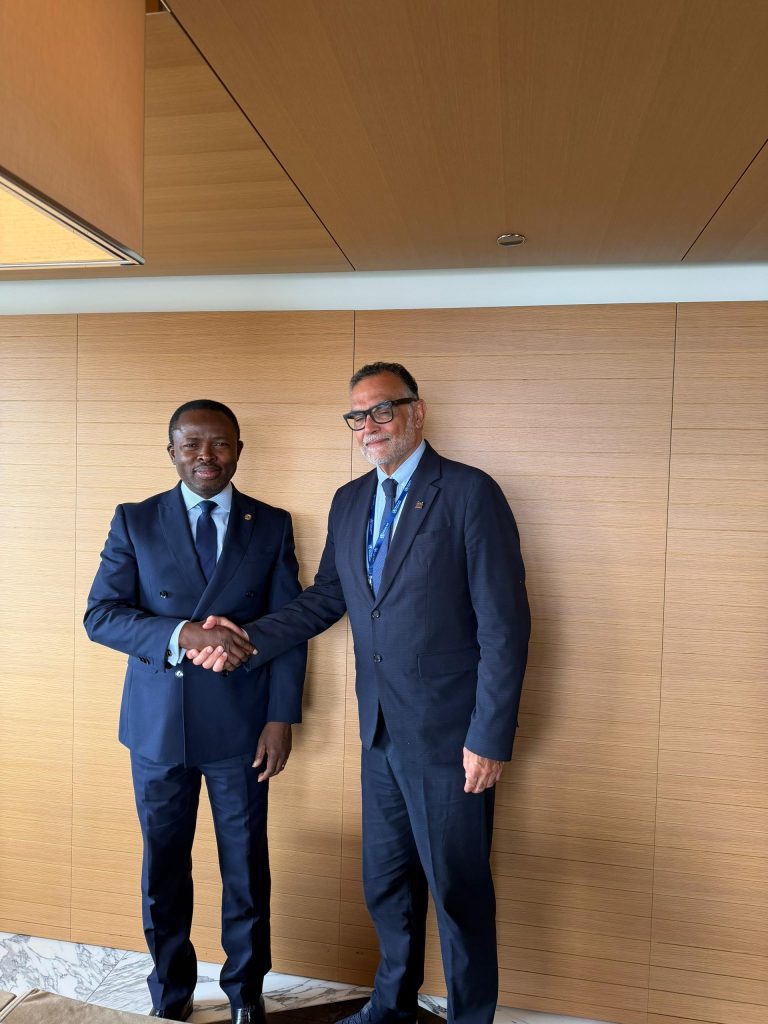
The meeting marks a significant milestone in the renewed Brazil–Africa partnership, with both institutions moving to aggressively scale up local manufacturing of medical countermeasures and reinforce emergency responses to pressing health crises, including the ongoing Ebola outbreak.
Deepening the Brazil-Africa Health Partnership
The discussions centered on expanding the footprint of Fiocruz within the continent, primarily leveraging the Fiocruz office in Africa to streamline joint operations. A key pillar of the talks was Africa’s active engagement in the Global Coalition for Local and Regional Production, Innovation and Equitable Access, an initiative aimed at dismantling global health inequities.
Africa CDC leadership emphasized that reliance on foreign supply chains during global health emergencies is no longer tenable, signaling a shift toward absolute self-reliance.
“We agreed to deepen cooperation on local manufacturing through technology transfer, capacity building, and regional production partnerships to strengthen Africa’s health security and resilience,” the Africa CDC stated following the meeting.
Mobilizing Against the Ebola Threat
Beyond long-term manufacturing goals, the leaders pivoted to immediate health threats facing the continent. The delegation exchanged critical intelligence on the ongoing Ebola outbreak, mapping out immediate opportunities to reinforce coordination on emergency response efforts.
By combining Fiocruz’s extensive scientific and technological expertise with Africa CDC’s localized emergency frameworks, the partnership aims to deploy swifter, more coordinated interventions to contain the virus and protect vulnerable populations.
Share this


