

In a major move to bolster the nation’s industrial backbone, the Federal Government of Nigeria is finalizing discussions for a massive $5.7 billion strategic investment from China’s GCL Group. The deal, which targets critical sectors including power, mining, and manufacturing, marks a significant milestone in the country’s quest for economic diversification.
High-Level Diplomatic Engagement
The Honourable Minister of Finance and Coordinating Minister of the Economy, Wale Edun, hosted a high-level delegation from the GCL Group in Abuja earlier this week. The delegation was led by Senator Orji Uzor Kalu, who facilitated the talks aimed at integrating Chinese industrial expertise with Nigeria’s vast natural resources.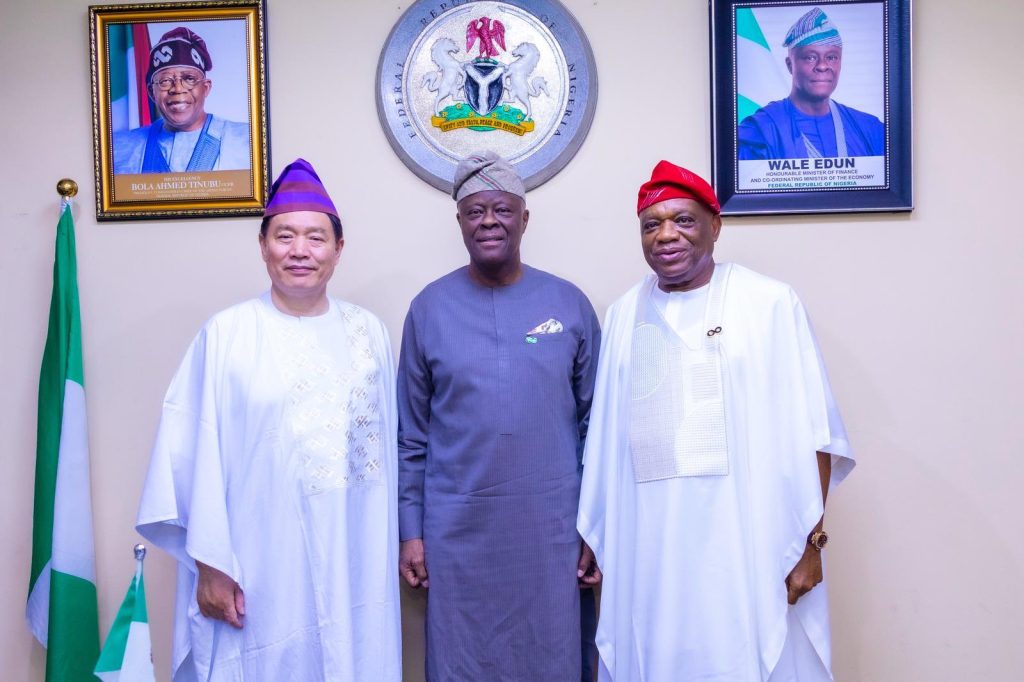
The proposed investment package is designed to address Nigeria’s infrastructure gaps through large-scale energy generation and the establishment of domestic mineral processing plants.
A Shift from Raw Exports to Value Addition
A central pillar of the negotiations is the transition from exporting raw materials to local value addition. By establishing new factories on Nigerian soil, the partnership aims to drastically boost job creation and increase the value of Nigerian exports on the global market.
Speaking on the impact of these discussions, Minister Wale Edun emphasized the government’s commitment to creating an enabling environment for such massive capital inflows:
“This engagement reflects the rising investor confidence in Nigeria, spurred by the decisive macroeconomic reforms under President Bola Ahmed Tinubu. He stated. “We are not just looking for capital; we are looking for partners who will help us build a self-sufficient industrial base that provides jobs for our youth.”
Strengthening Economic Sovereignty
The GCL Group’s proposal aligns with the administration’s Renewed Hope agenda, focusing on energy security and long-term economic stability. By securing a steady power supply and enhancing industrial capacity, the government expects to reduce the country’s reliance on imported finished goods.
The $5.7 billion investment is seen as a vote of confidence in Nigeria’s regulatory shifts, signaling a new era of domestic production and sustainable economic growth.
Share this


