

By: Peter Emmanuel |
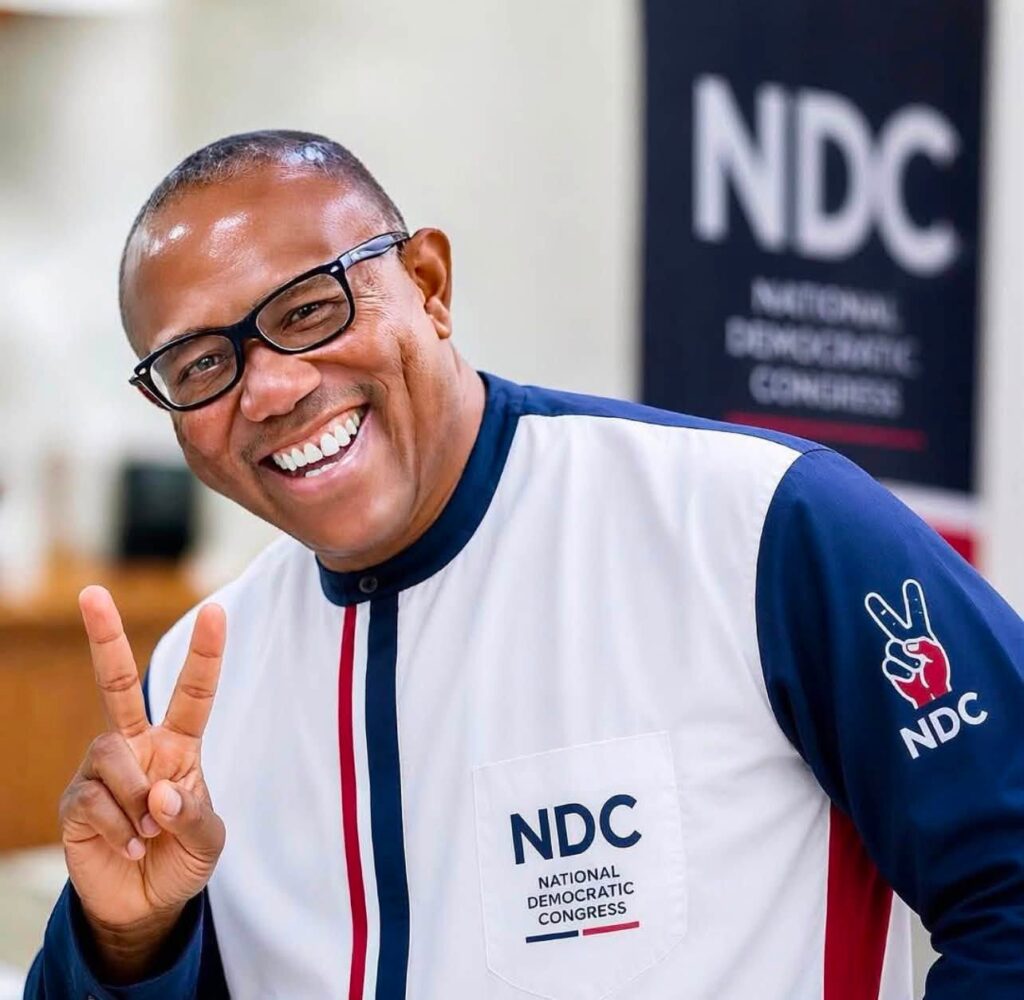
Peter Obi, former Governor of Anambra State and presidential candidate of the Nigeria Democratic Congress (NDC) in the 2027 election, has pledged to unite Nigeria, tackle insecurity and move the country from consumption to production if elected.
Obi made the pledge on Friday in his address to Nigerians and members of the press to mark the commencement of the 2027 presidential and National Assembly campaigns, which officially began on Wednesday, August 19.
He said the commencement of the campaign period provides Nigerians with an opportunity to assess the records, ideas and plans of candidates seeking their mandate to lead the country at a time of serious economic and security challenges.
Obi said Nigeria is facing challenges including widespread poverty, food insecurity, internal displacement, unemployment, weak infrastructure, unreliable power supply, insecurity and the high cost of doing business. He, however, said the country possesses the people, resources, talent, market and enterprise required to overcome its difficulties. 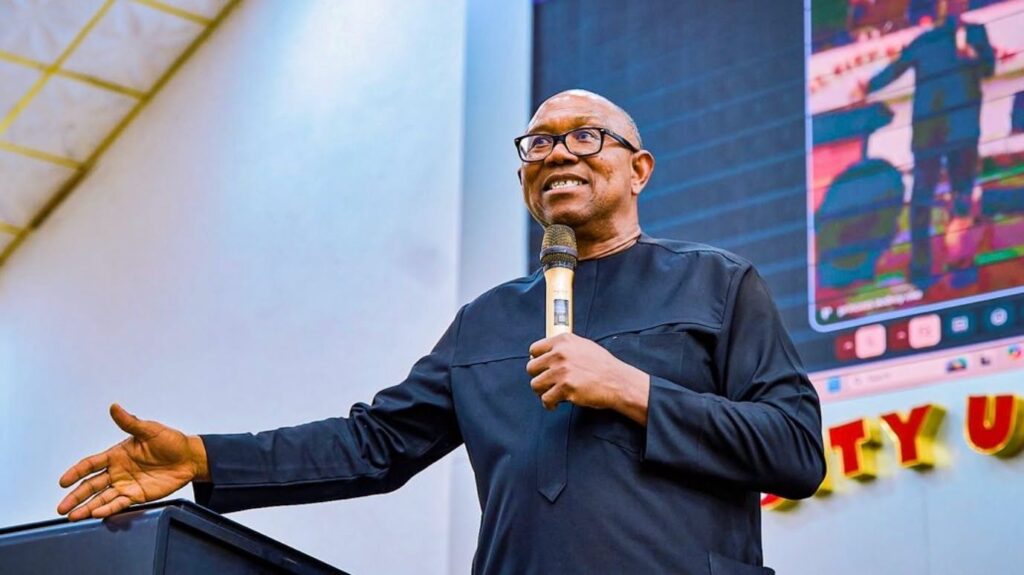
According to him, the challenges facing Nigerians are not merely statistics but realities affecting families, farmers, workers, students and businesses across the country.
“I enter this contest with one firm conviction: Nigeria can work, and Nigeria must work,” Obi said, adding that the country’s strength must be converted into security, productivity and shared prosperity.
Obi Pledges to Move Nigeria From Consumption to Production
Obi said his economic agenda would focus on production, investment, enterprise and human capital rather than relying on reactive reforms.
He said Nigerians should judge government by practical outcomes, including whether citizens can afford food, education and healthcare, whether businesses can produce and create jobs, and whether young people can find productive employment.
The former Anambra State governor pledged to raise agricultural productivity through improved security for farming communities, expanded irrigation, better rural roads and storage facilities, as well as improved access to finance and markets.
He also promised to strengthen manufacturing and agro-processing so that Nigeria could produce more finished goods, reduce dependence on imports and capture greater value from its resources.
“Nigeria cannot import its way to prosperity. We will produce more of what we consume, process more of what we produce, and compete more effectively in global markets,” he said.
Obi said agriculture, manufacturing, technology, construction, energy, creative industries and services would all have important roles in building a productive economy capable of creating jobs and improving living standards.
Obi Promises Stronger Security, Decentralised Security Management
Obi described security as the foundation of national development, saying no country can prosper when its citizens cannot live, farm, travel or conduct businesses safely.
He said insecurity has displaced millions of Nigerians and disrupted agriculture, education, trade and investment, making it necessary for the government to adopt a comprehensive approach to the problem.
He pledged to improve intelligence gathering and coordination among security agencies, strengthen policing and border management, and make better use of technology in preventing and responding to threats.
Obi also stressed the need to decentralise security management while maintaining strong coordination among the different levels of government.
He said security policy must go beyond military and policing responses to address conditions that make vulnerable young people susceptible to criminal recruitment.
According to him, farmers cannot produce enough food if they cannot safely access their farms, while children cannot learn when insecurity prevents them from attending school and businesses cannot create jobs when goods cannot be moved safely.
Obi Says Youths, Education, Healthcare Key to Nigeria’s Development
Obi rejected the idea that Nigeria’s growing youth population is a burden, describing it instead as an opportunity that must be properly harnessed through investment in human capital.
He pledged to improve basic education, strengthen universities and expand technical and vocational training to prepare young Nigerians for productive participation in the economy.
He said Nigeria needs a broad range of professionals and skilled workers, including doctors, engineers, scientists, lawyers, technicians, mechanics, builders, nurses, farmers, programmers, manufacturers, artisans and entrepreneurs.
On healthcare, Obi said a productive economy requires a healthy population, promising to strengthen primary healthcare, improve maternal and child health, expand access to essential medicines and equip healthcare workers to deliver effective services.
He said the country’s health indicators remained a major concern and that improving healthcare must be treated as an investment in human capital rather than an expense.
Obi also pledged to develop the economic potential of Nigeria’s different regions, saying every part of the country must become productive and contribute to national prosperity.
Obi Calls for Competence, Character, Accountability in 2027 Election
Obi urged Nigerians to use the 2027 campaign period to examine the records, credentials, ideas and proposals of all candidates seeking their votes.
He said the election should be guided by capacity, competence, compassion, character and commitment rather than ethnicity, religion, propaganda or personal interests.
According to him, Nigerians deserve leaders who will engage them, listen to their concerns and present clear solutions to insecurity, poverty, hunger, unemployment, poor education and inadequate healthcare.
He challenged other presidential candidates to come before Nigerians, defend their records and subject their plans and capacity to public scrutiny.
“No candidate should hide behind the high walls of power, send proxies or surrogates to the hustings, and expect Nigerians to entrust them with the leadership of the country,” Obi said.
He said democracy should not end with voting, stressing that citizens must continue to demand transparency, accountability and results from those entrusted with public office.
Obi Rejects Ethnic, Religious Politics, Pledges Direct Engagement With Nigerians
Obi said his campaign would focus on the urgent concerns of Nigerians rather than ethnicity or religion.
He urged voters to reject political campaigns driven by ethnic or religious sentiments, elitism, cronyism and propaganda, saying such approaches would not address the country’s problems.
He said Nigerians must instead focus on candidates’ records, competence, character and ability to provide practical solutions to the challenges facing the country.
Obi also promised that he and his running mate, Senator Rabiu Musa Kwankwaso, would personally take their campaign message across the country and engage directly with Nigerians.
He said true leadership requires presence and empathy, arguing that a candidate cannot effectively lead communities affected by banditry, terrorism, criminality and flooding without visiting them, listening to their experiences and understanding their needs.
“My running mate and I will take our message directly to Nigerians. We will listen to them, understand their concerns, and engage them openly,” Obi said.
Obi Pledges to Reset Nigeria, Says Every Region Must Prosper
Obi said his administration would seek to build a Nigeria where every region contributes to and benefits from national development.
He outlined different areas of economic potential across the country, including agriculture, livestock, irrigation and manufacturing in the North-West; reconstruction, agriculture, education and regional trade in the North-East; and food production, processing and responsible mineral development in the North-Central.
He said the South-West could build on its strengths in manufacturing, technology, finance, trade and the creative economy, while the South-East could expand its entrepreneurial and industrial base through improved infrastructure, connectivity and investment.
According to him, the South-South could derive greater value from oil and gas while developing maritime services, fisheries and agriculture, supported by stronger environmental protection. He also said the Federal Capital Territory must demonstrate what effective urban planning, transportation, housing, sanitation, security and public services can achieve.
Obi said his proposed administration would combine fiscal discipline with productive investment, cut wasteful spending, protect investments that create jobs and expand productive capacity, while strengthening institutions that can survive beyond individual administrations.
He said the ultimate goal was to unite Nigeria, secure the country, promote inclusive economic growth and move the economy from consumption to production.
“A New Nigeria is possible,” Obi said.


